
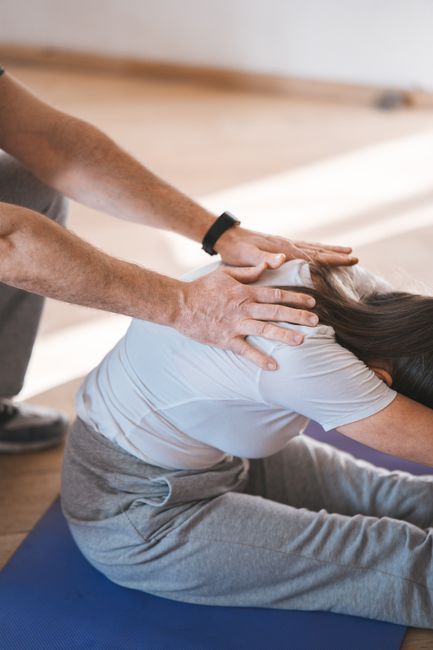
Older adults in assisted living benefit from fitness programs that support strength, balance, flexibility, endurance, and confidence in everyday movement. In Elkins Park, PA, a well-designed program should also account for seasonal weather, indoor activity needs, individual health conditions, and the varied abilities of residents.
What fitness activities are appropriate for assisted living residents?
The most appropriate activities are low-impact exercises that can be adapted for seated, standing, or supported participation. Residents do not need to be athletic to benefit from regular movement.
Common options include:
- Seated stretching for the shoulders, arms, hips, ankles, and back
- Walking indoors or outdoors when surfaces and weather are safe
- Chair exercises using controlled arm and leg movements
- Light resistance exercises with bands or small hand weights
- Balance practice near a stable support
- Gentle dancing or rhythmic movement
- Breathing exercises and slow mobility routines
- Water-based exercise when access and supervision are available
A typical session may combine several types of movement rather than focusing on a single goal. For example, residents might begin with seated warm-up movements, continue with resistance exercises, practice standing balance, and finish with gentle stretching.
Why are strength and balance exercises especially important?
Strength and balance exercises help residents manage daily tasks such as standing from a chair, walking to the dining room, carrying light objects, and getting in and out of bed. They may also help reduce the physical effects of prolonged sitting.
Leg strength is particularly useful for transfers and walking. Exercises may include repeated sit-to-stand movements, supported heel raises, or marching in place. Upper-body exercises can help with dressing, grooming, reaching, and using mobility equipment.
Balance activities should be simple and supervised when needed. Examples include shifting weight from side to side, standing with feet in different positions, or taking a few controlled steps while holding a stable surface. Balance training should never require residents to close their eyes, stand on unstable objects, or move quickly without appropriate support.
A common misconception is that exercise must feel strenuous to be effective. For many older adults, consistent moderate movement is more practical and safer than occasional intense workouts.
How often should seniors in assisted living exercise?
Many residents can benefit from some form of movement most days, with the type and intensity adjusted to their health and energy level. A formal exercise class may occur several times each week, while shorter movement opportunities can be included throughout the day.
A balanced weekly routine generally includes:
- Aerobic activity, such as walking or rhythmic movement
- Muscle-strengthening exercises on a regular basis
- Balance activities for residents who can safely participate
- Stretching and joint-mobility exercises
- Rest periods and recovery time
Short sessions can be useful. Ten minutes of gentle movement may be more realistic for a resident with fatigue, arthritis, or limited endurance than a single long class. Several brief sessions can add up without overwhelming the participant.
Fitness programs should also allow flexibility. A resident may be able to participate fully one day and need a seated or shorter version the next.
How should exercise be adapted for different abilities?
A good assisted living program offers more than one version of each activity. Residents may participate while seated, standing with support, or walking independently, depending on their abilities.
For someone using a wheelchair, exercises may focus on posture, arm strength, trunk movement, circulation, and safe transfers. A resident with arthritis may need slower movements, a longer warm-up, or a smaller range of motion. Someone living with memory loss may respond best to familiar music, repeated instructions, and a predictable class structure.
Programs should consider:
- Mobility aids, including walkers, canes, and wheelchairs
- Vision or hearing changes
- Arthritis and joint limitations
- Heart, lung, or neurological conditions
- Osteoporosis and fracture risk
- Fatigue, pain, or medication effects
- Cognitive changes and the need for clear cues
Participation should not be treated as all-or-nothing. Listening to music, practicing breathing, completing seated stretches, or observing a demonstration can still provide social and emotional benefits.
What safety precautions should be part of a senior fitness program?
Safety begins with knowing the resident’s current abilities, restrictions, and symptoms. Exercise activities should be consistent with the person’s care plan and any instructions related to medical conditions or recent illness.
The activity area should have clear walking paths, adequate lighting, secure chairs, and flooring that is not slippery. In Elkins Park, outdoor programs may need to be moved indoors during icy conditions, heavy rain, excessive heat, or poor air quality. Seasonal changes can affect walking surfaces and how comfortable residents feel exercising outside.
Residents should pause and report symptoms such as:
- Chest pressure or pain
- Severe shortness of breath
- Faintness or unusual dizziness
- Sudden weakness
- New confusion
- Sharp or worsening pain
- A rapid or irregular heartbeat that feels unusual
Muscle tiredness can be normal, but pain should not be ignored. Balance exercises should take place near stable support, and residents who are at risk of falling should not exercise alone.
Can fitness programs help with fall prevention?
Exercise can support fall prevention by improving leg strength, balance, walking confidence, and awareness of body position. It cannot eliminate every fall risk, but it can be one part of a broader safety plan.
Fall-prevention activities may include controlled weight shifting, stepping in different directions, heel-to-toe movements, and practicing how to rise from a chair. These exercises should be adapted carefully for residents who have a history of falls or difficulty standing.
Other factors matter as well. Poor lighting, loose footwear, clutter, vision problems, dehydration, and medication side effects can affect safety. A fitness class is most useful when it complements attention to the resident’s surroundings and daily routines.
What makes a fitness class comfortable and successful?
Residents are more likely to participate when the program feels welcoming, predictable, and respectful. Classes should avoid treating older adults as a single group with identical needs.
Helpful features include:
- A clear explanation of each movement
- Demonstrations from more than one position
- A slower pace with time to adjust
- Chairs available for seated or supported exercise
- Music at a comfortable volume
- Water and rest breaks
- Encouragement without pressure to compete
- Options for residents who prefer quiet activities
- Consistent scheduling and familiar routines
Social connection can be an important benefit. Group movement gives residents an opportunity to see neighbors, share conversation, and maintain a sense of routine. However, residents should not feel embarrassed if they need to modify an exercise or take a break.
How can families support regular movement?
Families can ask what types of activity a resident enjoys, what limits participation, and whether the program offers seated or individualized options. A resident who dislikes formal exercise may enjoy walking while talking, gardening-related movement, music, or simple household tasks performed safely.
It can also help to focus on functional goals rather than appearance or athletic performance. Walking to meals more comfortably, standing longer, reaching into a closet, or feeling steadier during transfers may be more meaningful measures of progress.
The most useful fitness programs are not necessarily the most elaborate. They are programs that match residents’ abilities, provide safe choices, adjust to changing health needs, and make regular movement feel like a practical part of daily life.
