
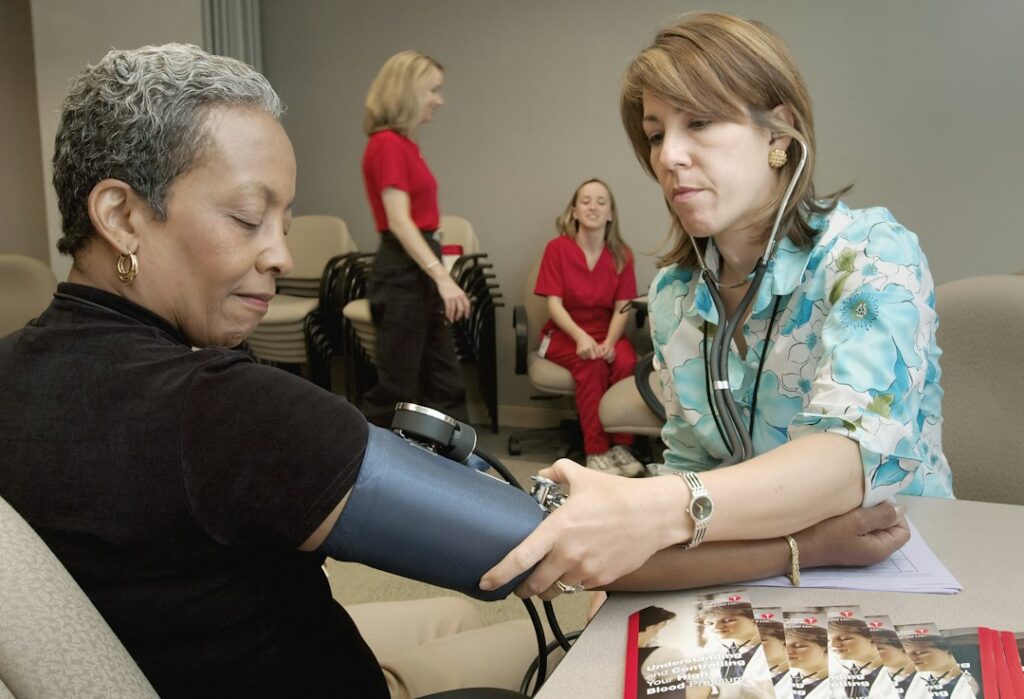
What role does assisted living play in chronic condition management?
Assisted living can help residents manage ongoing health conditions by making daily routines more consistent, identifying changes sooner, and coordinating support around prescribed care plans. It does not replace a physician, specialist, hospital, or skilled nursing service, but it can provide the structure that helps a person follow treatment recommendations safely.
Chronic conditions may include diabetes, heart disease, chronic obstructive pulmonary disease, arthritis, high blood pressure, kidney disease, Parkinson’s disease, or memory-related conditions. Many residents live with more than one condition, which can make medication schedules, diet, mobility, appointments, and symptom monitoring difficult to manage alone.
The most useful support is usually not a single medical task. It is the combination of dependable routines, observation, communication, and assistance with everyday activities.
How can assisted living help with medications?
Medication support is one of the clearest ways assisted living may help residents maintain control of a chronic condition. Depending on the resident’s assessment, care plan, and the residence’s policies, staff may provide reminders, assistance with self-administration, or medication administration by appropriately trained and authorized personnel.
Support may include:
- Organizing medications according to the prescribed schedule
- Providing reminders for medicines taken at different times of day
- Recording whether medications were taken
- Watching for missed doses, refusal, confusion, or possible side effects
- Communicating medication changes to the appropriate family members or health care professionals
- Helping coordinate refills and updated instructions
Medication routines are especially important for conditions such as diabetes, high blood pressure, seizure disorders, heart disease, and respiratory illness. A missed dose may not cause an immediate problem, while repeated missed doses or accidental double dosing can create serious risks.
Medication review is also valuable when a resident sees multiple prescribers. Older adults may take several prescriptions, over-the-counter medicines, vitamins, or supplements. Periodic review can help identify duplicate therapies, confusing instructions, or medicines that may contribute to dizziness, sleepiness, constipation, or falls.
Residents and families should ask whether the residence distinguishes between medication reminders, assistance, and administration. These services are not identical, and the level of support should match the person’s abilities and documented needs.
Can staff notice changes in a resident’s health?
Yes. Regular contact with trained care staff can make changes easier to recognize, although staff do not diagnose medical conditions. A person who interacts with residents each day may notice changes that are difficult for family members to see during a short visit.
Examples include:
- Eating much less than usual
- Drinking very little
- New confusion or unusual sleepiness
- Increased shortness of breath
- Swelling in the legs or feet
- New weakness or difficulty walking
- Repeated coughing
- More frequent bathroom accidents
- A change in mood, balance, or communication
- Unexplained weight changes
These observations can be recorded and reported through the residence’s established process. Early communication may lead to a medication review, a primary care visit, a change in therapy, or urgent evaluation when symptoms are severe.
This type of observation is particularly useful for residents with conditions that can worsen gradually. A small change in appetite, walking ability, or alertness may be an early sign of infection, dehydration, medication effects, or worsening heart or lung disease.
How does assisted living support diabetes care?
Diabetes management often depends on regular timing, safe food choices, medication adherence, foot care, activity, and awareness of symptoms. Assisted living may support these routines through scheduled meals, medication assistance, observation, and communication about changes in eating or behavior.
Residents may need help recognizing possible signs of low or high blood sugar, including shakiness, sweating, weakness, unusual confusion, excessive thirst, or frequent urination. Staff should follow the resident’s written care plan and prescribed instructions rather than improvising treatment.
Pennsylvania requires specific medication administration training for certain staff who administer insulin in assisted living residences and also requires diabetes education under applicable state rules. Families should still ask what diabetes-related tasks are included, who performs them, how blood glucose information is recorded, and what happens when a resident is ill or eating poorly.
What support is available for heart, lung, and mobility conditions?
Chronic heart and lung conditions often require attention to activity tolerance, breathing, swelling, fatigue, weight, and prescribed treatments. Staff may help residents follow activity recommendations, use mobility aids safely, attend meals, and report changes such as worsening breathlessness or sudden weakness.
Residents with arthritis, osteoporosis, Parkinson’s disease, or a history of falls may benefit from assistance with bathing, dressing, transfers, and walking. These services can reduce strain while allowing the resident to remain involved in daily activities.
Fall prevention is closely connected to chronic condition management. Dizziness, low blood pressure, vision changes, muscle weakness, and medication side effects can all increase fall risk. A useful care plan considers lighting, footwear, walking paths, bathroom access, assistive devices, and the resident’s usual level of balance.
Seasonal conditions in Elkins Park can also affect routines. Winter ice, reduced daylight, and cold temperatures may limit outdoor walking, while summer heat and humidity can increase dehydration and fatigue. Indoor activity options, hydration reminders, safe footwear, and transportation planning may help residents maintain healthy routines throughout the year.
How are appointments and outside health care coordinated?

Assisted living generally works best when information moves reliably between the resident, family, residence staff, and outside health care professionals. Staff may help prepare medication lists, document recent symptoms, arrange transportation according to available policies, or share updates authorized by the resident.
Families can improve coordination by keeping an up-to-date record of:
- Diagnoses and current medications
- Allergies and serious past reactions
- Specialists and routine appointments
- Dietary restrictions
- Mobility needs
- Advance directives and emergency contacts
- Warning signs that require prompt medical attention
After a hospital or rehabilitation stay, the transition back to assisted living deserves special attention. New prescriptions, changed doses, activity restrictions, wound care instructions, and follow-up appointments should be clearly documented. Confusion during a transition can lead to missed treatment or duplicated medication.
What assisted living cannot provide
Assisted living is not the same as a hospital, rehabilitation center, or nursing facility. The amount of nursing care, monitoring, therapy, and medical treatment varies by residence and by the resident’s assessed needs.
A person may need a higher level of care if the condition requires continuous skilled nursing, complex wound treatment, frequent clinical monitoring, ventilator support, or medical interventions beyond the residence’s capabilities. A change in health should prompt a review of the care plan rather than an assumption that every need can be handled in place.
Residents retain a role in decisions about their care. Good chronic condition management should support independence where it is safe, explain changes clearly, respect preferences, and adjust assistance as abilities change.
Questions to ask before choosing assisted living
Families comparing options can ask specific questions instead of relying on broad descriptions of care:
- How are medications administered, stored, documented, and reviewed?
- What diabetes support is available?
- How are falls, weight changes, breathing problems, or missed meals reported?
- Is nursing support available overnight?
- How are hospital discharges and medication changes handled?
- What happens if a resident’s condition becomes more complex?
- How are families informed about significant changes?
- Which services are included in the resident’s care plan?
- How does the residence respond during extreme heat, winter weather, or power interruptions?
The answers can reveal whether the setting is prepared to support a resident’s actual health needs, not just the needs present on move-in day.
