
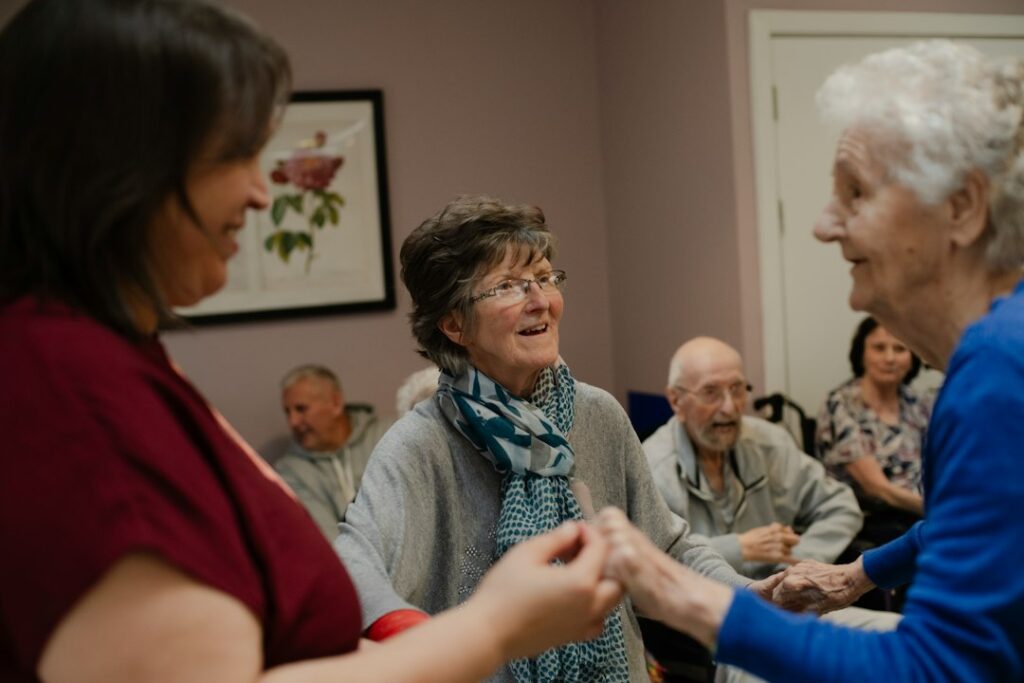
Why should family members take part in assisted living events?
Family participation helps residents stay connected, supports emotional well-being, and gives relatives a clearer understanding of daily life in assisted living. Events are not only social occasions; they can also provide useful information about routines, interests, communication preferences, and changing needs.
A family member does not need to attend every gathering to be involved. Consistent participation in a few meaningful activities may be more helpful than occasional attendance at many events. The goal is to create comfortable, respectful connections rather than add pressure to the resident or the family.
For households in Elkins Park, seasonal conditions may affect attendance. Winter weather, summer heat, and transportation challenges can make indoor programs especially valuable at certain times of year. Families may need to plan around shorter daylight hours, mobility concerns, or the availability of relatives who live nearby.
What types of events are usually available?
Assisted living events often include a mix of recreation, education, wellness, and family-oriented activities. Common examples include:
- Holiday gatherings and seasonal celebrations
- Music programs, sing-alongs, or performances
- Exercise, stretching, or movement classes
- Art, gardening, cooking, or craft activities
- Educational talks and resident discussion groups
- Religious or spiritual programs
- Birthday gatherings and recognition events
- Outdoor walks or patio activities in suitable weather
- Family meals, open houses, and resident showcases
Some programs are designed for residents and visitors to participate together. Others are primarily resident activities where family members are welcome to observe or provide encouragement.
Before attending, ask whether the event is structured, social, physically active, or sensory-focused. A resident who enjoys conversation may prefer a discussion group, while someone with limited stamina may be more comfortable at a shorter musical performance.
How can a family member prepare for an event?
Preparation should focus on the resident’s comfort, not on creating a perfect visit. Confirm the date, time, location, expected length, and whether visitors need to register. It can also help to ask about seating, noise levels, food arrangements, and accessibility.
Consider the resident’s usual routine. An event scheduled during a regular rest period may be tiring, even if the activity itself sounds appealing. If the resident has memory loss, confusion, hearing difficulty, or limited mobility, staff may be able to explain what setting is likely to work best.
Useful preparation may include:
- Bringing glasses, hearing devices, or mobility equipment
- Choosing comfortable clothing suited to indoor and outdoor temperatures
- Allowing extra travel time during winter weather or heavy traffic
- Bringing a familiar photograph, card, or conversation topic
- Arriving early if the resident becomes anxious in crowded settings
- Planning a quiet transition afterward
Family members should avoid promising that the resident will stay for the entire program. A flexible plan allows the resident to leave early without feeling that the visit was unsuccessful.
What should family members do during the event?
The most helpful approach is to follow the resident’s pace. Encourage participation, but do not insist on it. A resident may want to watch rather than join, speak with one person rather than a group, or leave before the event ends.
Simple conversation can make participation easier. Ask about the music, decorations, activity, or people present instead of testing memory with questions such as, “Do you remember everyone here?” Open-ended prompts often work well:
- “What do you think of this song?”
- “Would you like to sit here or over there?”
- “Do you want to join the activity or watch for a while?”
- “Would you like to take a short break?”

Family members should also respect personal space and privacy. Avoid discussing medical issues, family disagreements, finances, or personal care needs in front of other residents. If a sensitive concern arises, ask staff for a private conversation.
How should families include residents with memory or communication changes?
Residents with cognitive or communication changes may enjoy events but become overwhelmed by noise, unfamiliar people, or changes in routine. Short visits, familiar activities, and calm reassurance are often more effective than repeated explanations.
Watch for signs of fatigue or distress, such as pacing, withdrawal, repeated questions, irritability, covering the ears, or difficulty following the activity. These signs do not necessarily mean the resident dislikes the event. They may indicate that the environment is too busy or that a break is needed.
Avoid correcting every mistaken statement. If a resident cannot remember why the family member is present, focus on reassurance and connection. Familiar music, shared snacks, simple crafts, and looking through photographs may support engagement without requiring exact memory.
A family member can also ask staff whether the resident participated comfortably after the visit. This helps identify which settings, times, and activities are most suitable in the future.
How can relatives build a relationship with staff during events?
Events provide a natural opportunity to learn how the resident is doing, but they are not always the right time for a lengthy care discussion. Staff may be coordinating activities, assisting residents, or managing safety needs.
A brief, respectful exchange can be useful. Family members might ask:
- Whether the resident appeared comfortable
- Which activities the resident has recently enjoyed
- Whether there are changes in energy, appetite, mood, or participation
- What kinds of visits seem most successful
- Whether the family should be aware of any schedule changes
For detailed concerns, request a quieter conversation at an appropriate time rather than raising the issue in the middle of a crowded program. Clear communication helps distinguish a temporary reaction from a pattern that may need follow-up.
Families should also share useful information about the resident, such as preferred music, past hobbies, former routines, cultural traditions, or topics that cause anxiety. These details can help staff create more personalized opportunities for engagement.
What if the resident does not want family members to attend?
A resident’s preference should be taken seriously. Some people enjoy family visits but do not want relatives present at every activity. Others may feel embarrassed, tired, or uncomfortable in groups.
Ask what the resident would prefer instead. Options may include attending only part of the event, visiting before or afterward, sitting nearby without participating, or sharing a quieter activity in the resident’s room or another calm space.
If a resident repeatedly refuses activities or visits, consider possible causes such as pain, fatigue, depression, sensory overload, confusion, or a change in interests. A pattern of withdrawal may be worth discussing privately with the appropriate care team, especially if it is new or accompanied by changes in eating, sleep, mood, or mobility.
How can families stay involved between events?
Participation does not have to depend on a formal calendar. Family members can reinforce connection through short, predictable contacts and by sharing interests that staff can incorporate into activities.
Helpful ideas include sending a large-print note, discussing a recent family photo, bringing a favorite book, sharing music, or taking a brief walk when conditions are comfortable. In Elkins Park, outdoor visits may be pleasant during mild spring and fall weather, while indoor alternatives are generally more practical during hot, humid, or icy conditions.
The most meaningful involvement is usually consistent and individualized. A resident may value a ten-minute conversation about familiar subjects more than a long visit at a busy celebration. By observing preferences, respecting limits, and communicating clearly with staff, family members can make assisted living events more comfortable and worthwhile.
