
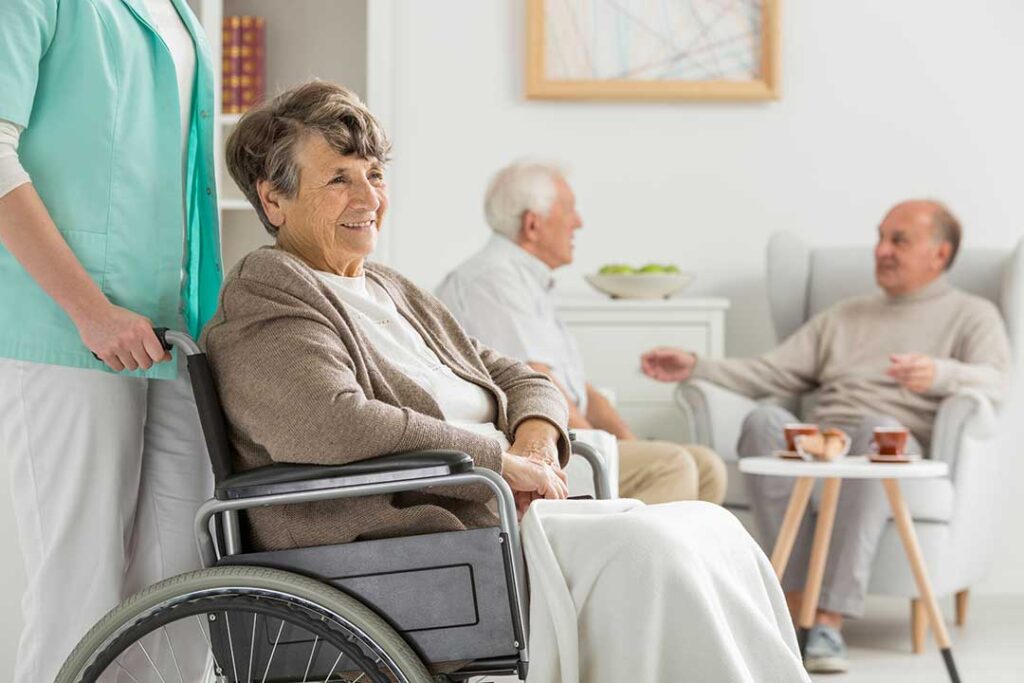
How Does Assisted Living Support Senior Mobility?
Assisted living settings are structured to encourage daily movement for older adults, making it easier to maintain mobility as part of everyday life. Residents in Elkins Park, PA, often ask how assisted living environments can aid in staying active, especially when dealing with changing health needs or local weather.
Staying mobile is more than just exercise. In an assisted living environment, building design, personalized care, and social opportunities all play a role. Residents benefit from routines and activities shaped around safe, convenient movement—whether indoors during colder months or outside when weather permits.
What Are the Main Ways Mobility Is Encouraged in These Communities?
Assisted living promotes daily activity through accessible design, social support, and tailored programs. Many communities in the Elkins Park area include features that address the realities of local climate and the diverse needs of residents:
- Flat, slip-resistant walking surfaces indoors and out
- Handrails in hallways and bathrooms
- Automatic doors and elevators
- Benches and rest areas for pacing activities
- Spacious rooms and doorways for mobility aids like walkers and wheelchairs
Group exercise classes often include stretching, balance, and gentle strength training that suit many ability levels. Even during icy winters, planned indoor walking routes, adaptive dance classes, and guided physical therapy are available.
Social activities also promote natural movement—arts and crafts, gardening, or simply walking to shared dining spaces make non-strenuous mobility part of daily life.
How Do Trained Staff Members Help Residents Stay Mobile?
The presence of staff trained in mobility support increases safety and encourages confidence in movement. Staff can:
- Assist with routine activities like dressing, transfers, or using mobility aids safely
- Monitor for changes in balance or endurance and adjust care accordingly
- Encourage participation in movement-based programs suited to each resident
- Offer suggestions for simple, safe ways to stay active based on the individual’s health
This hands-on support is especially valued by residents who have experienced falls in private homes where such assistance may not always be available.
Are There Specific Programs for People with Limited Mobility?
Yes. Assisted living recognizes that mobility challenges vary widely. Some programs are designed for those who use walkers or wheelchairs, ensuring everyone can participate. Adaptive exercise options might include:
- Seated yoga or group stretching
- Physical therapy-led balance exercises
- Chair volleyball or tabletop games requiring coordinated movement
Residents can join in at their comfort level, with the goal of preventing further decline and nurturing independence wherever possible.
How Does Mobility Support Enhance Quality of Life?
Staying active is closely tied to mental health, community engagement, and independence. In the context of Elkins Park’s climate, where colder months might discourage leaving the house, assisted living environments provide opportunities to:

- Move daily, regardless of weather
- Socialize while staying physically active
- Keep joint stiffness and balance problems from worsening due to prolonged inactivity
Residents often find that regular low-impact activity helps manage chronic conditions common in older age, such as arthritis, and supports better sleep and mood.
Can Family Members Be Involved?
Family involvement is encouraged. Residents’ loved ones can participate in outings or join group activities when possible. This helps reinforce positive habits and maintains motivation for seniors who benefit from familiar support.
In the region, some families enjoy attending seasonal events or safe outdoor walks together when weather conditions allow.
What Are Common Misconceptions About Mobility in Assisted Living?
Some expect assisted living to reduce activity, but the opposite is more common: residents in these communities often move more than they did living alone. A common misconception is that only those who are already very frail use assisted living, but many residents remain active and independent well into advanced age with the right supports.
It’s also easy to underestimate how much community design and regular encouragement—such as reminders to join an activity or gentle guidance to use mobility aids—can make a difference in day-to-day movement.
What Should Residents and Families Look for in Mobility Support?
To assess how well a setting promotes mobility, pay attention to:
- Floor plans: Are there clear, unobstructed paths? Are exercise areas accessible by elevator or without stairs?
- Staff training: Are caregivers knowledgeable about fall prevention and physical activity for older adults?
- Social calendars: Are there regular group activities that involve movement, not just sedentary events?
- Flexibility: Are programs adapted for residents recovering from illness or injury?
Asking about these elements can help residents in Elkins Park choose a supportive, mobility-friendly environment that aligns with personal needs and lifestyle preferences.
